

The Kick-off Meeting for the association standard Technical Specification for Campus Carbon Emissions Accounting in the Guangdong-Hong Kong-Macao Greater Bay Area, led by Macau University of Science and Technology (MUST), was recently held at the Guangzhou Institute of Standardization. Following an expert review, the proposal was formally approved for development. The standard will establish consistent accounting boundaries and scope, accounting methodologies and data requirements for campuses across the Guangdong-Hong Kong-Macao Greater Bay Area (GBA). It will help align campus carbon management rules across the three regions and provide technical support for the green and low-carbon transition of the education sector and the achievement of the goals of peaking carbon emissions and achieving carbon neutrality, known as the “dual-carbon” goals.
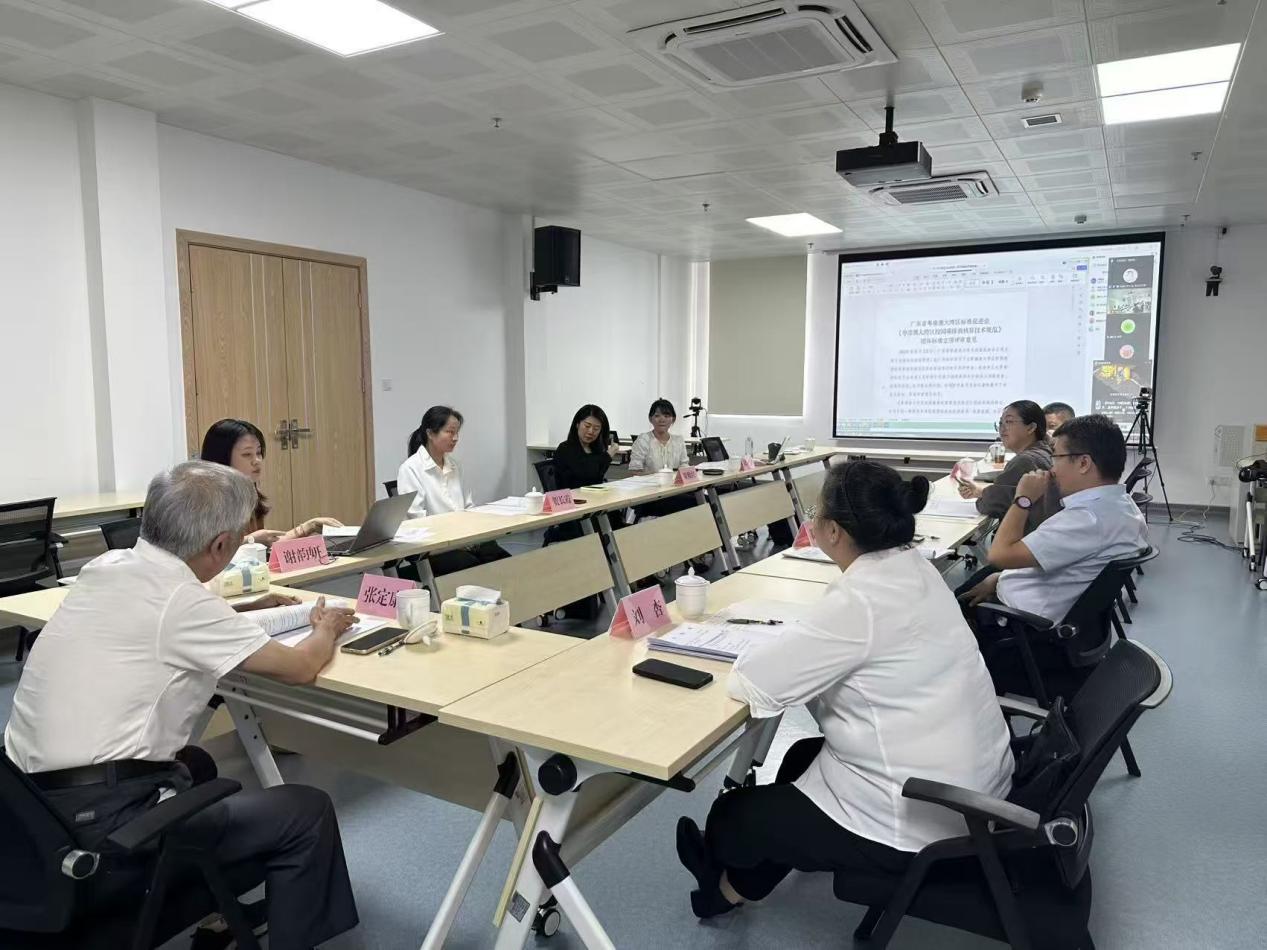
Kick-off Meeting for the association standard Technical Specification for Campus Carbon Emissions Accounting in the Guangdong-Hong Kong-Macao Greater Bay Area at the Guangzhou Institute of Standardization.
The meeting was organised by the Guangdong-Hong Kong-Macao Greater Bay Area Standardization Promotion Association and chaired by its Secretary-General, Mr. Zhang Dingkang. The expert review panel comprised specialists from universities, the low-carbon sector and standardization organisations in Guangdong, Hong Kong and Macao. Associate Professor Dong Yahong, Director of the Macao Institute of Green and Net-Zero Technology at MUST and leader of the project team, attended with her team and presented the proposal for developing the standard.
At the meeting, Director Dong presented the background and research underpinning the proposed standard, its overall technical framework, the design of its core provisions and its expected practical benefits. The experts raised questions and discussed key technical issues, including the definition of campus carbon emissions accounting boundaries, identification of emission sources, selection of accounting methodologies and data quality control. Drawing on campus development and standards management practices across the three regions, they offered constructive recommendations on defining campus boundaries, accounting for emissions from mobile sources, subsequent drafting work and consultation on the standard.
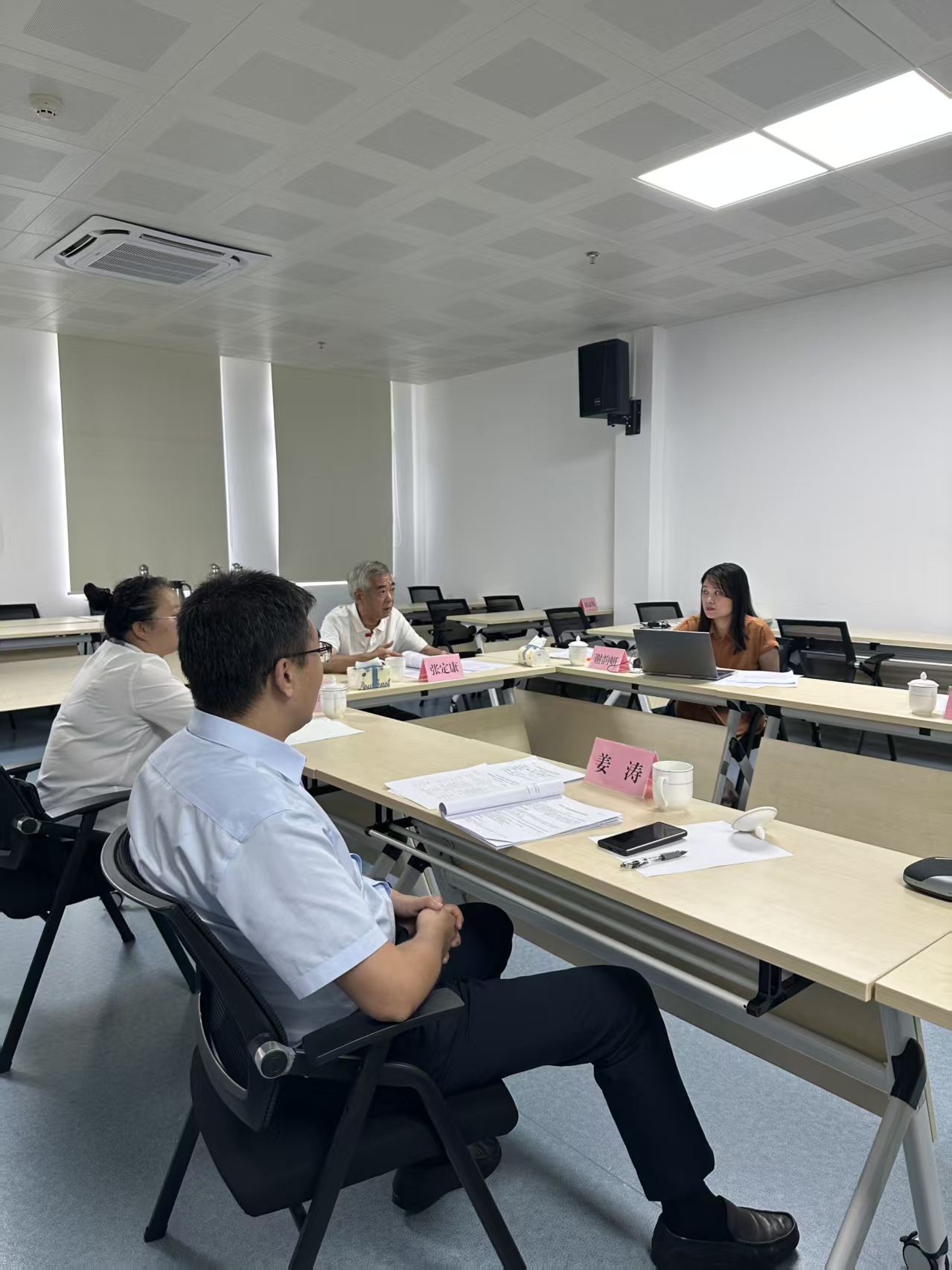
Mr. Zhang Dingkang, Secretary-General of the Guangdong-Hong Kong-Macao Greater Bay Area Standardization Promotion Association, chairing the meeting.
Following their deliberations, the experts unanimously agreed that developing the association standard was both necessary and timely. The standard aims to harmonise accounting boundaries and scope, methodologies and data requirements for campus carbon emissions across the GBA, thereby improving the scientific rigour and consistency of accounting results. It will facilitate the alignment of campus carbon management rules across Guangdong, Hong Kong and Macao, support the green and low-carbon transition of the education sector, and advance the implementation of the GBA's dual-carbon goals through campus applications. The panel therefore endorsed the proposal and agreed that development of the standard should proceed.
Campuses are important settings for green and low-carbon development. However, differences in carbon management practices across Guangdong, Hong Kong and Macao, together with the absence of a common technical basis for emissions accounting, present challenges. With the project now approved, MUST will continue to lead the drafting process in collaboration with relevant organisations across the three regions. The project team will incorporate the review panel's recommendations, refine the draft and seek broad input from higher education institutions and organisations working in the low-carbon sector. The team will then proceed with consultation and technical review in accordance with the standards development process.
Once published and implemented, the standard is expected to provide a common technical framework for campuses throughout the GBA to conduct carbon emissions inventories, develop green campuses and pursue campus carbon neutrality. It will support coordinated low-carbon transformation in the education sector across Guangdong, Hong Kong and Macao, while enabling universities to play a leading role in advancing ecological civilization in the GBA and demonstrating innovative practices to achieve the dual-carbon goals. Project approval reflects MUST's commitment to applying its research expertise to the GBA's green and low-carbon development. It also marks an important step in the University's contribution to jointly developing campus carbon emissions accounting standards and supporting collaborative green campus development across the three regions.

